
This Is Why Your Neck Hurts, It Starts With the Shoulders
Neck pain is one of the most common things I see in my practice, so if you’re struggling with chronic neck pain you are certainly not alone. Neck pain is the uninvited guest at too many of our desks, affecting millions of us here in Southern California. But here’s the kicker: it’s often not just about your neck. It’s about your shoulders and the sneaky way shoulder alignment is throwing everything out of balance.
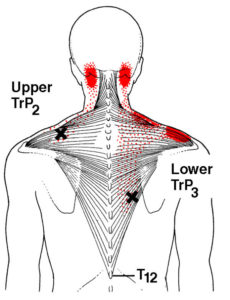 As a practitioner specializing in acupuncture and dry needling in Los Angeles, I’ve seen this story play out hundreds of times. Clients come in swearing their desk job or that one bad night’s sleep is the culprit, but after doing a thorough evaluation we uncover a deeper imbalance in shoulder positioning. Today, I’m pulling back the curtain on why this happens, and why those “smart” exercises like lat pulldowns and rowing might be making it worse, especially when you factor in the lats’ sneaky anterior attachments to the front of the shoulder. Stick with me and by the end, you’ll have actionable insights to reclaim your pain-free days (and nights).
The Shoulder-Neck Connection & Posture’s Domino Effect:
Picture this: Your shoulders are like the foundation of a house that are stable when aligned, but prone to shifting on our sandy soils (or in our case, sedentary lifestyles and poor posture). Ideally, your shoulders sit in a neutral position: shoulder blades gliding smoothly along the ribs, with the head of your humerus (upper arm bone) centered in its socket. This balance lets your neck muscles, like the trapezius and levator scapulae, relax and do their job without doing overtime.
 But enter modern life: Hours scrolling on phones, driving with one hand at 12 o’clock, or stress-clenching through Zoom calls. These habits pull your shoulders forward into a rounded “tech neck” posture. Your chest tightens, your upper back weakens, and suddenly, those neck muscles are on high alert, straining to hold your head upright. The result? Chronic tension, headaches, and that nagging ache that radiates from your occiput to your upper traps.
The real villain? Imbalanced shoulder positioning. When your shoulders hike up or roll forward, it compresses nerves and blood vessels in your neck, creates trigger points in auxiliary muscles, and even tweaks your cervical spine. It’s a vicious cycle: Poor posture begets muscle fatigue, which begets more poor posture. And if you’re active (good on you!), well-meaning workouts can pour fuel on the fire.
Why Rowing Exercises Might Be Making Your Neck Worse:
I get it, social media is flooded with fitness influencers touting lat pulldowns, seated rows, and bent-over rows as the holy grail for a strong, sculpted back. And they’re not wrong; these compound movements build serious pulling power, targeting your latissimus dorsi (the broad “wing” muscles under your arms) and rhomboids. But here’s the plot twist: If your shoulders are already out of balance, these exercises can amplify the problem, turning your neck into collateral damage.
Let’s break it down, starting with a key anatomical fact that often gets overlooked: The lats don’t just anchor your back, they wrap around and attach to the front (anterior) side of your shoulder via the humerus bone’s intertubercular groove. This anterior pull means that when you hammer the lats with heavy pulls, you’re not just retracting your shoulders backward; you’re also subtly yanking the upper arm forward and downward. In an already-forward-rounded posture, this reinforces internal rotation and protraction of the shoulder girdle, stressing those neck stabilizers like the upper traps to compensate. Over time, it shortens and tightens the lats, locking your shoulders into a dysfunctional position that contributes to chronic neck tension and pain.
Sound familiar? It’s the same story everyone already knows about the pecs. We all hear the warnings: Too much bench press or push-up volume without stretching those pectoralis major and minor muscles leads to tight, shortened chests that yank your shoulders forward, compressing your neck and spine. It’s classic, overdeveloped pecs from endless pressing equals rounded shoulders and that telltale forward-head posture. But here’s the major takeaway: The lats are the sneaky counterpart on the “pull” side. Tightening and shortening both the pecs and the lats creates a perfect storm, clamping down on your shoulder mobility from front to back. Your neck muscles get caught in the crossfire, overworking to keep your head balanced on a misaligned foundation. Studies from the Journal of Orthopaedic & Sports Physical Therapy highlight this: Imbalanced pulling exercises can increase cervical load by up to 30% in folks with pre-existing shoulder dysfunction, much like their pushing counterparts.
In my practice, I’ve treated tech execs from the Bay Area and surfers from Huntington Beach who swore by their balanced gym routines, only to discover that unchecked lat and pec development was reinforcing poor shoulder positioning. The lats and pecs get beefy, but the neck pays the price with inflammation and restricted mobility.
Breaking the Cycle: Restore Balance with Targeted Relief:
The good news? You don’t have to ditch the weights entirely. The key is addressing the root imbalance first, releasing those shortened pecs, lats and upper traps then rebuilding smarter. Here’s how we do it with dry needling:
1. Dry Needling for Trigger Points: This modern twist on acupuncture uses thin filiform needles to directly “deactivate” those knotted myofascial trigger points in your traps, rhomboids, pecs, and lats. It’s like hitting the reset button on overactive muscles, allowing your shoulders to drop into a natural position. No downtime, just precise, evidence-based relief backed by the American Physical Therapy Association.
2. Smart Movement Tweaks: Before jumping back into lats, rows, or presses, prioritize balance and lengthening work:
– Wall Angels: Stand against a wall, slide arms up and down like making snow angels. Strengthens upper back without overload.
– Band Pull-Aparts: Light resistance bands for external rotation, keeps shoulders mobile without taxing the neck.
– Pec and Lat Stretch Combo: Doorway pec stretch followed by child’s pose with lat focus, hold for 30 seconds each to counteract shortening.
– Mindful Rows and Presses: Use lighter weights, focus on scapular retraction (squeezing shoulder blades), and avoid shrugging. Add a 10-second hold at the top to build endurance without reinforcement.
Pair these with ergonomic tweaks, like raising your screens to eye level or taking “shoulder rolls” every hour and you’ll feel the shift.
Reclaim Your Neck, Reclaim Your Life:
Neck pain isn’t a life sentence; it’s a signal that your shoulders, and specifically the tug-of-war between shortened pecs and lats, need a tune-up. By understanding this double-sided imbalance and steering clear of exercises that exacerbate it (until you’re balanced, that is), you can break free from the ache and get back to what you love, whether that’s hiking Runyon Canyon or coding marathons without the wince.
Ready to say goodbye to that nagging tension? Book a dry needling session today for personalized relief. We’ll map out your shoulder blueprint and get you moving pain-free.
