
How Does Dry Needling Work?
Dry needling is a therapeutic technique used by acupuncturists to treat musculoskeletal pain and dysfunction. While it shares some similarities with acupuncture, dry needling is distinct in its approach, focusing on targeting trigger points, tight knots or bands in muscles, to alleviate pain and improve range of motion. This blog post explores how dry needling works, its mechanisms of action, and the underlying physiology that makes it effective.
Mechanisms of Action:
Dry needling’s effectiveness stems from its ability to influence both the nervous system and musculoskeletal tissues. Here are the primary mechanisms of action:
1. Disruption of Trigger Points
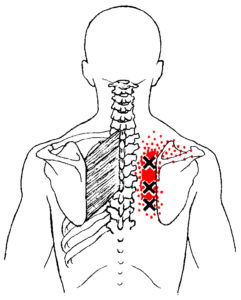
Trigger points are areas of muscle that become tight and hypersensitive due to overuse, injury, or poor posture. These points often contain contracted sarcomeres (the contractile units of muscle), leading to reduced blood flow, oxygen deprivation, and accumulation of metabolic waste. Inserting a needle into a trigger point mechanically disrupts the dysfunctional muscle fibers, causing the muscle to relax and restoring normal function. The local twitch response further helps “reset” the muscle by breaking the cycle of spasm and pain.
2. Neuromodulation and Pain Gate Theory
Dry needling stimulates sensory nerves in the skin and muscle, activating the body’s pain modulation systems. According to the pain gate theory, non-painful stimuli (like needle insertion) can block pain signals from reaching the brain by overwhelming the nervous system with sensory input. Additionally, needling activates A-delta and C nerve fibers, which signal the spinal cord and brain to release endogenous opioids (e.g., endorphins) and other neurotransmitters, such as serotonin and norepinephrine, that reduce pain perception.
3. Increased Blood Flow and Tissue Healing
The microtrauma caused by needle insertion triggers a localized inflammatory response. This controlled inflammation increases blood flow to the area, delivering oxygen and nutrients while removing waste products. The enhanced circulation promotes tissue repair and reduces muscle ischemia (lack of blood flow), which is often a contributor to chronic pain.
4. Central Nervous System Effects
Dry needling influences the central nervous system by modulating activity in the brain and spinal cord. It can reduce central sensitization (a condition where the nervous system becomes hypersensitive to pain signals) by altering pain processing pathways. This is particularly beneficial for chronic pain conditions where the nervous system amplifies pain signals beyond the initial injury.
5. Reduction of Muscle Hypertonicity
Tight muscles often contribute to pain and restricted movement. Dry needling helps relax hypertonic (overly tense) muscles by stimulating mechanoreceptors and proprioceptive pathways, which signal the muscle to reduce its resting tone. This can improve range of motion and reduce stiffness.
Relevant Physiology of Dry Needling:
To fully appreciate how dry needling works, it’s helpful to understand the physiological processes involved:
Myofascial Trigger Points: These are areas of muscle with abnormal neuromuscular activity. Trigger points are associated with increased acetylcholine release at the neuromuscular junction, leading to sustained muscle contraction. Dry needling disrupts this cycle by mechanically stimulating the muscle and reducing acetylcholine activity.
Nervous System Response: The insertion of a needle activates mechanoreceptors (sensory receptors that respond to mechanical pressure) and nociceptors (pain receptors). This sends signals to the spinal cord and brain, triggering the release of pain-relieving chemicals and inhibiting pain pathways.
Inflammatory Response: The microtrauma from needling causes a localized release of cytokines and growth factors, which promote tissue repair. This process is similar to the body’s natural healing response to minor injuries.
Autonomic Nervous System: Dry needling can influence the autonomic nervous system, leading to vasodilation (widening of blood vessels) and improved blood flow. This helps reduce muscle tension and pain.
In summary, dry needling offers several benefits including:
- Pain Relief: Effective for both acute and chronic pain conditions.
- Improved Mobility: Relaxes tight muscles and improves joint range of motion.
- Enhanced Recovery: Speeds up healing by promoting blood flow and reducing inflammation.
- Complementary Treatment: Can be combined with other therapies, such as physical therapy or acupuncture, for comprehensive care.
Dry needling is a powerful tool for addressing musculoskeletal pain and dysfunction. By targeting trigger points and leveraging the body’s natural pain-relieving and healing mechanisms, it offers a science-based approach to pain management. Whether you’re dealing with chronic pain, sports injuries, or muscle tightness, dry needling can be a valuable addition to your treatment plan. If you’re curious about how dry needling can help you, reach out to discuss your needs and explore this effective therapy.
